Peptide Screening: Hplc & Mass Spec Purity Guide Pinnacle
Peptide Quality Control & Pureness Screening Boc Scientific Researches
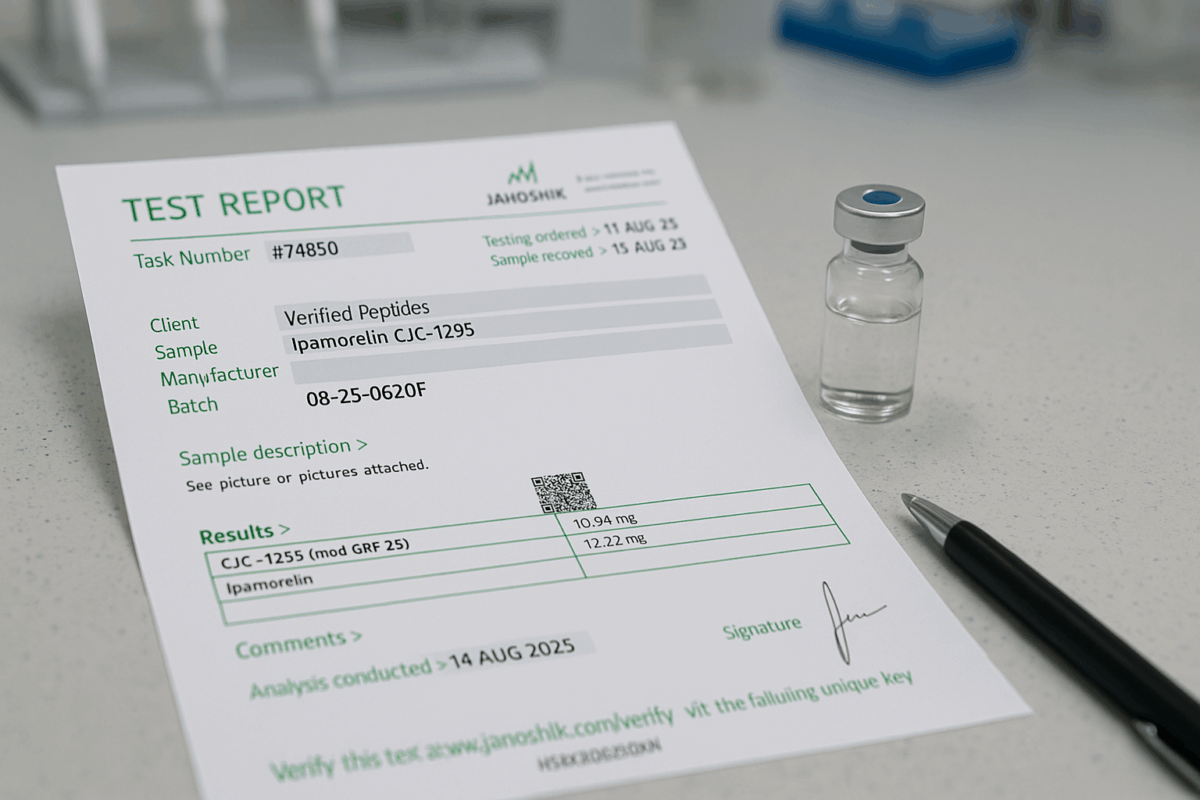
Gauging peptide pureness is commonly done with analytical high-performance fluid chromatography (HPLC), typically combined with mass spectrometry (MS) for identity verification. These logical strategies are standard in peptide quality assurance and you will certainly almost always get HPLC and MS information with a study peptide order. The primary logical techniques for peptides include fluid chromatography (LC), usually HPLC, combined with mass spectrometry (MS) for accurate molecular weight decision and sequence validation.Mass Spectrometry (ms): Identification Verification
- This is the grade where the cost increases most sharply, because attaining that last 1-- 3% of pureness calls for discarding a significant portion of the manufactured product.
- All products are sold for research, laboratory, or logical objectives only, and are not for human use.
- Really couple of industrial study peptide distributors give MS/MS data on regular COAs-- it is typically booked for pharmaceutical-grade materials and advanced research study setups.
If you've ever before browsed a peptide catalog, you have actually seen pureness numbers all over. These numbers get thrown around so commonly that it's very easy to gloss over them-- simply one more specification on Human Performance Research a product page. Chameleon Peptides markets research compounds solely for lab and analytical objectives. All PRG products are meant exclusively for artificial insemination research study or further manufacturing use. Making use of a highly detoxified peptide reduces these threats and boosts the dependability of your data.

Regularly Asked Concerns (Faqs) About Laboratory Validation In Peptide Research Study
In conclusion, comprehending peptide pureness levels and qualities helps you make informed decisions for your experiments. A peptide's purity percentage tells you just how much of that example is the genuine bargain versus Visit website spin-offs, with common research study grades being around 95% approximately 98-99% for additional pureness. Analytical HPLC and MS are your buddies here-- HPLC evaluates purity, and MS verifies identity, with each other ensuring you recognize what remains in your tube.BOC Sciences supplies multi-batch comparison analysis to help customers develop basic material top quality criteria and make certain consistency. Residual non-peptide components can alter assay interpretation, misshape peptide content estimations, and make complex great deal certification. We sustain targeted evaluation of relevant residuals based on the task and sample history.
We can offer expert peptide purity resolution solutions utilizing analytical reversed-phase HPLC combined with mass spectrometry. Each peptide is rigorously monitored throughout the analytical cycle according to rigid analytical quality control and biosynthetic quality assurance standards. HPLC is superb at answering the question "how pure is this example by chromatographic area percent? " It does not, by itself, show that the primary top is the desired peptide.